What is Sounds of the Sea?
Sounds of the Sea (SOTS) is a STEAM-based marine education programme originating from the University of Auckland/Waipapa-Taumata-Rau’s Institute of Marine Science. It aims to increase ocean literacy through the vehicle of underwater sound, and build a national underwater soundscape monitoring programme and education toolbox that highlights the curious nature of science.
Through a scaffolded learning approach, students make their way through three modules; Bronze, Silver, and Gold, where they undertake a scientific field of inquiry and learn skills in data gathering, whole systems thinking, and scientific communication. The scaffolded learning approach, informed by Blooms Taxonomy, enables students to remember and understand key concepts related to the biological and physical dimensions of sound underwater, apply their learnings, analyse findings, evaluate their decision making, and create their own scientific inquiry, progressively across the three modules.
To make it as easy and accessible as possible for teachers, each module includes engaging activities that encourage learning through doing, and clear connections with the NZ Science Curriculum.
MODULE OVERVIEW
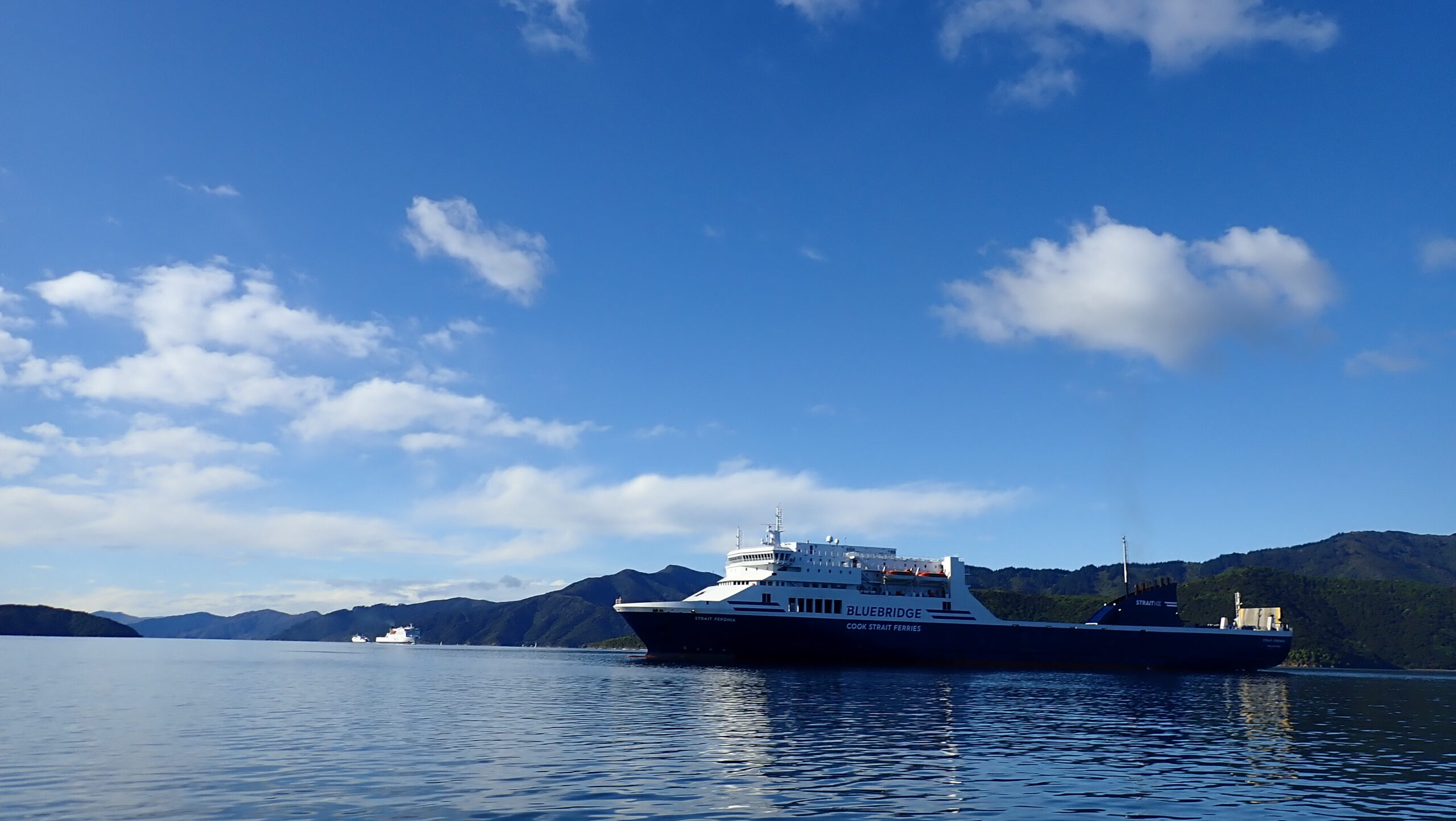
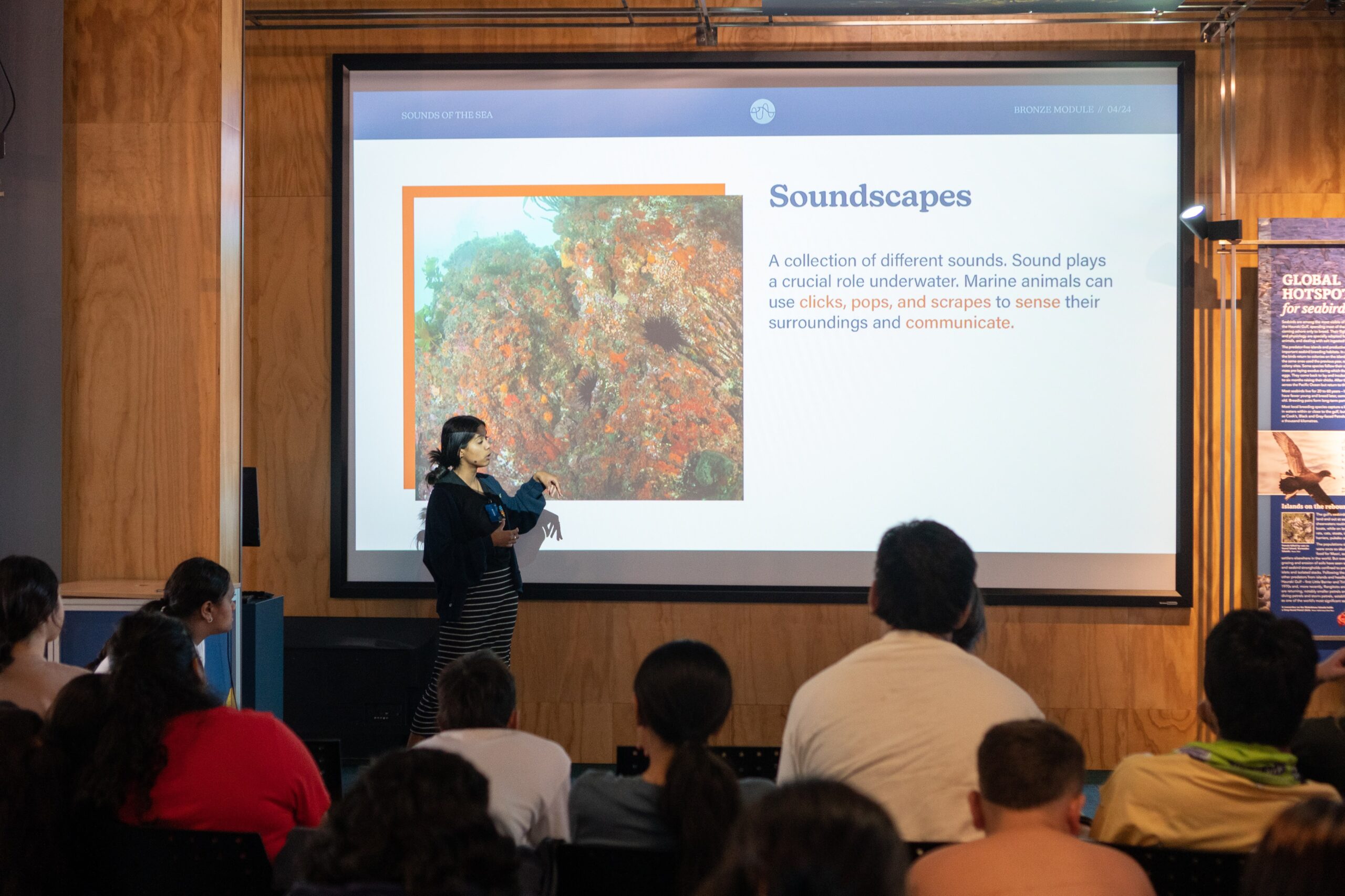
This module introduces underwater sound through the lens of biological sounds, anthropogenic (human-made) sounds, and noise pollution. We break down the key components of a soundwave and use activities to showcase how sound travels in different mediums. Acoustics research from the University of Auckland/ Waiapapa-Taumata-Rau’s Institute of Marine Science is highlighted, as well as a case study on how sound research has benefited Bryde’s whale conservation.
- I understand the concept of a soundscape and can differentiate between healthy and unhealthy soundscapes.
- I can explain how sound travels in different mediums.
- I can interpret the key components of a soundwave including wavelength, frequency and amplitude.
- I understand how hydrophones work in relation to the piezoelectric effect and how kinetic energy is converted to electrical energy.
MODULE OVERVIEW
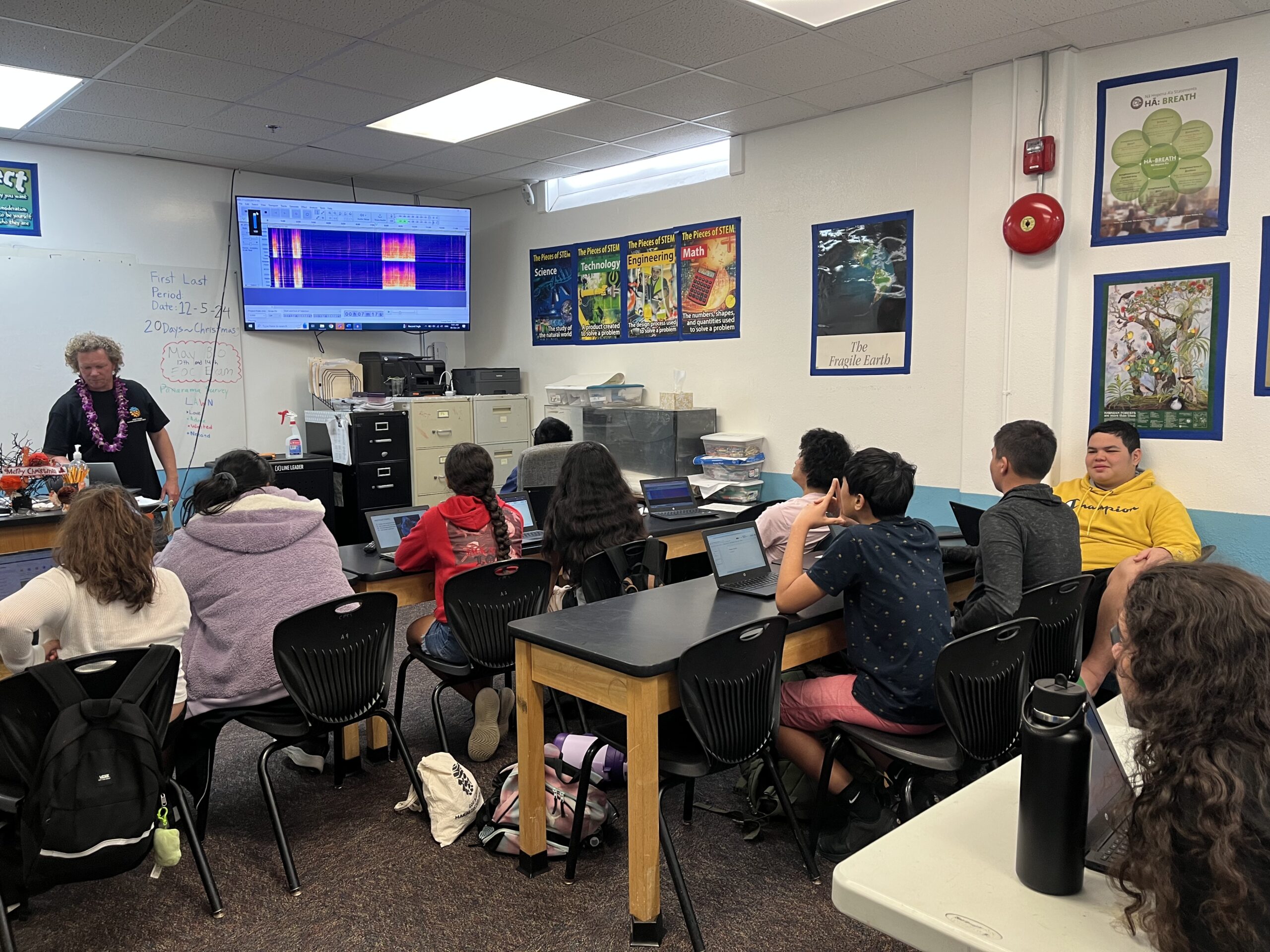
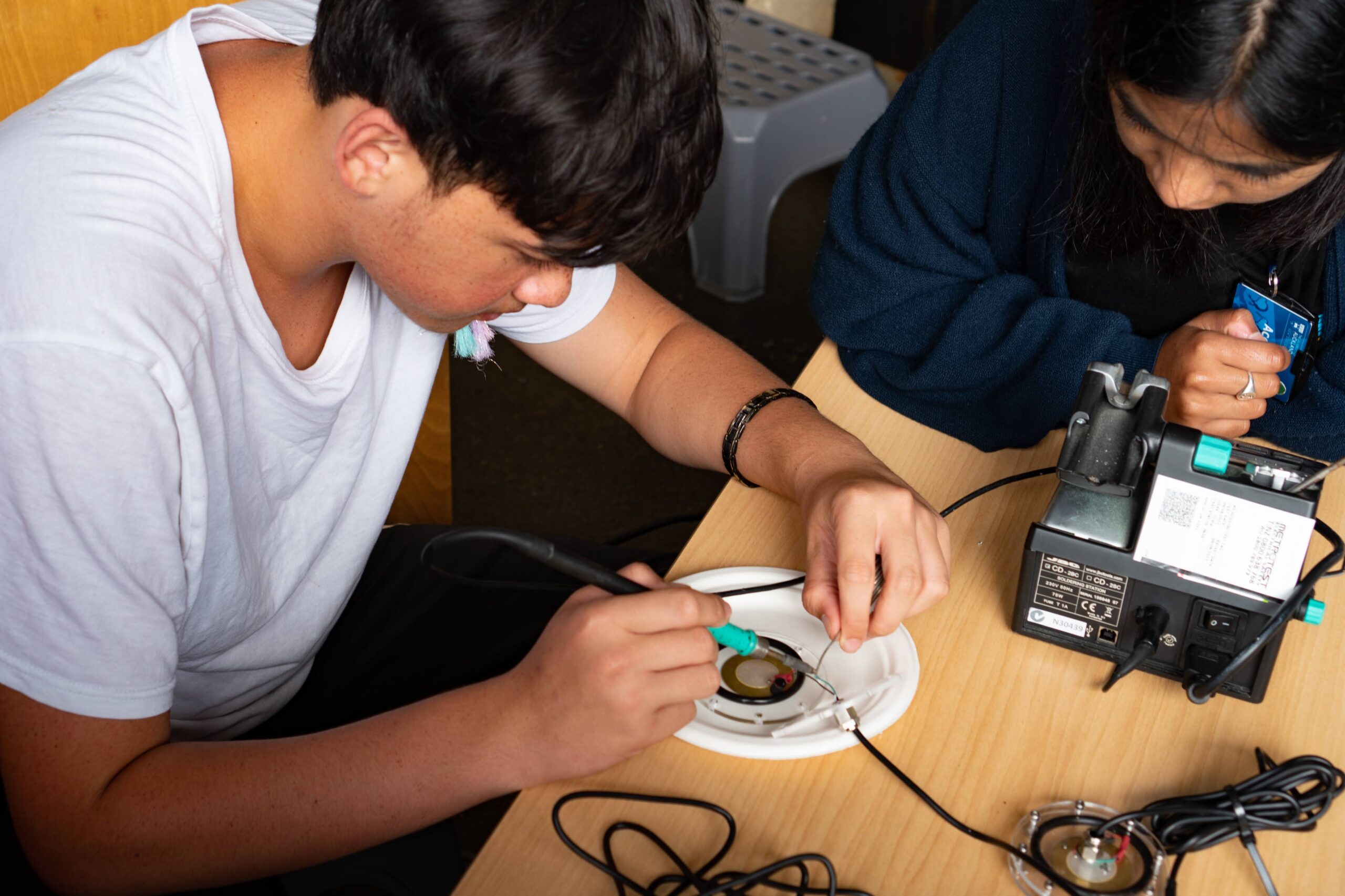
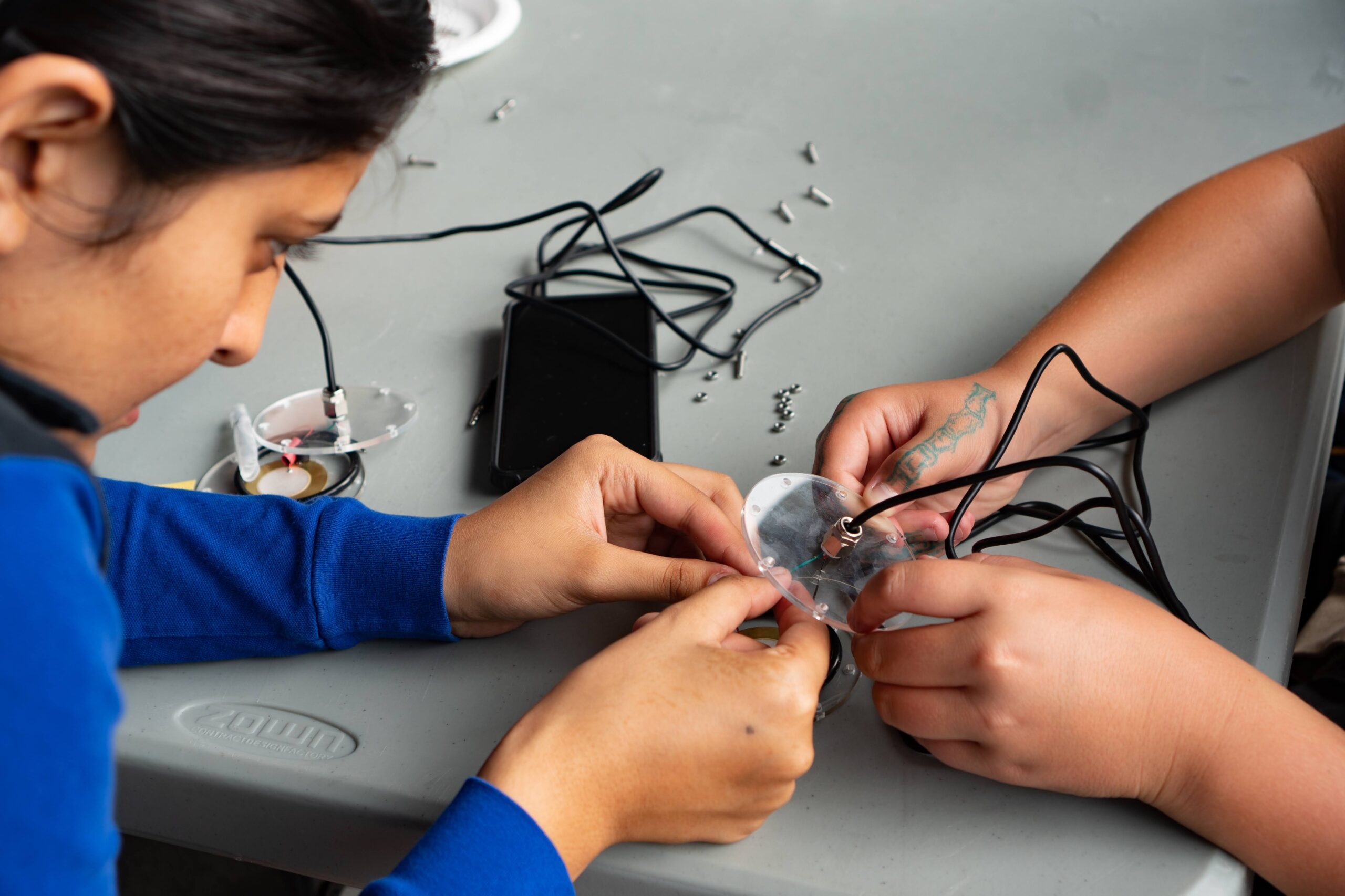
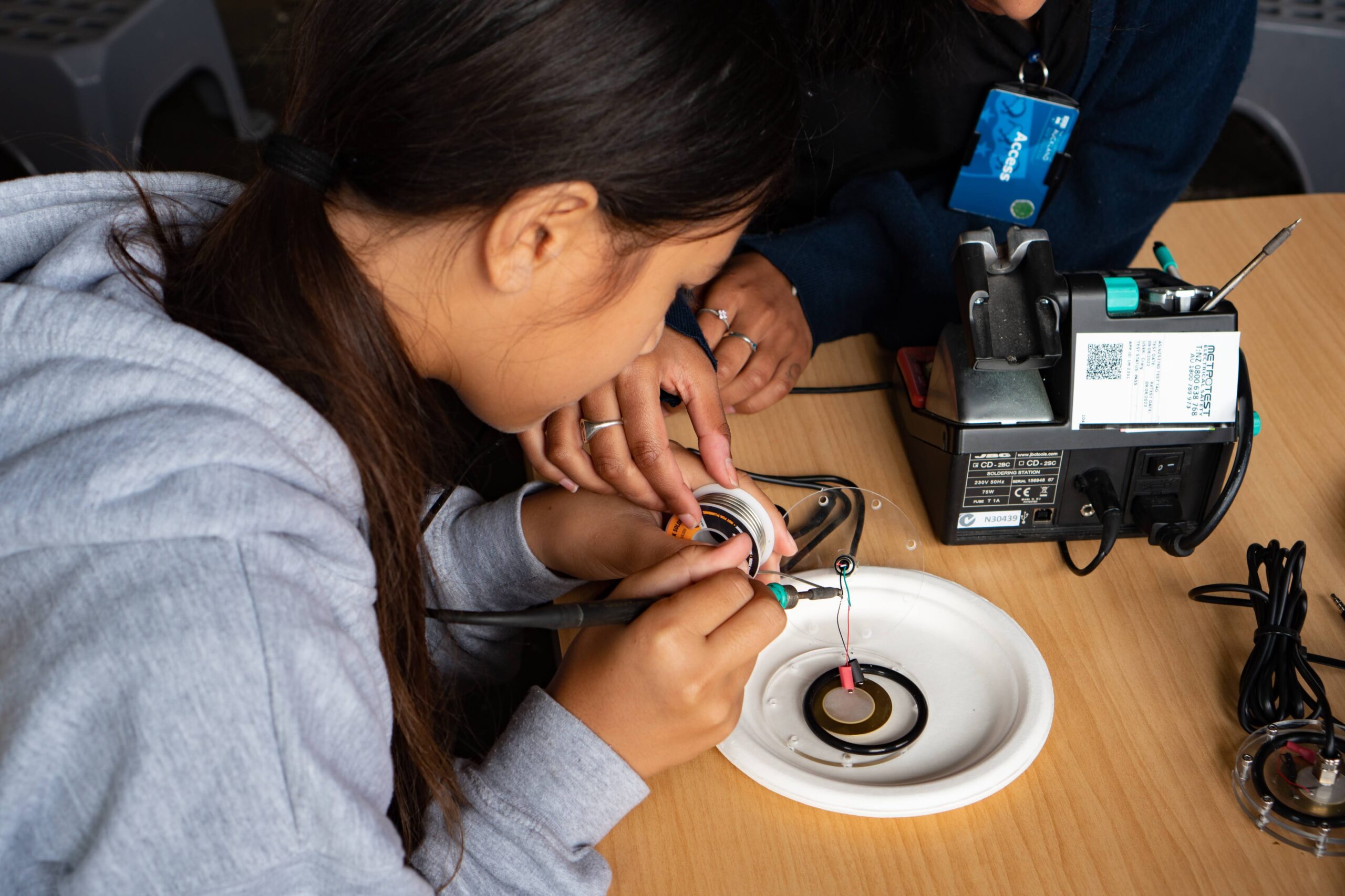
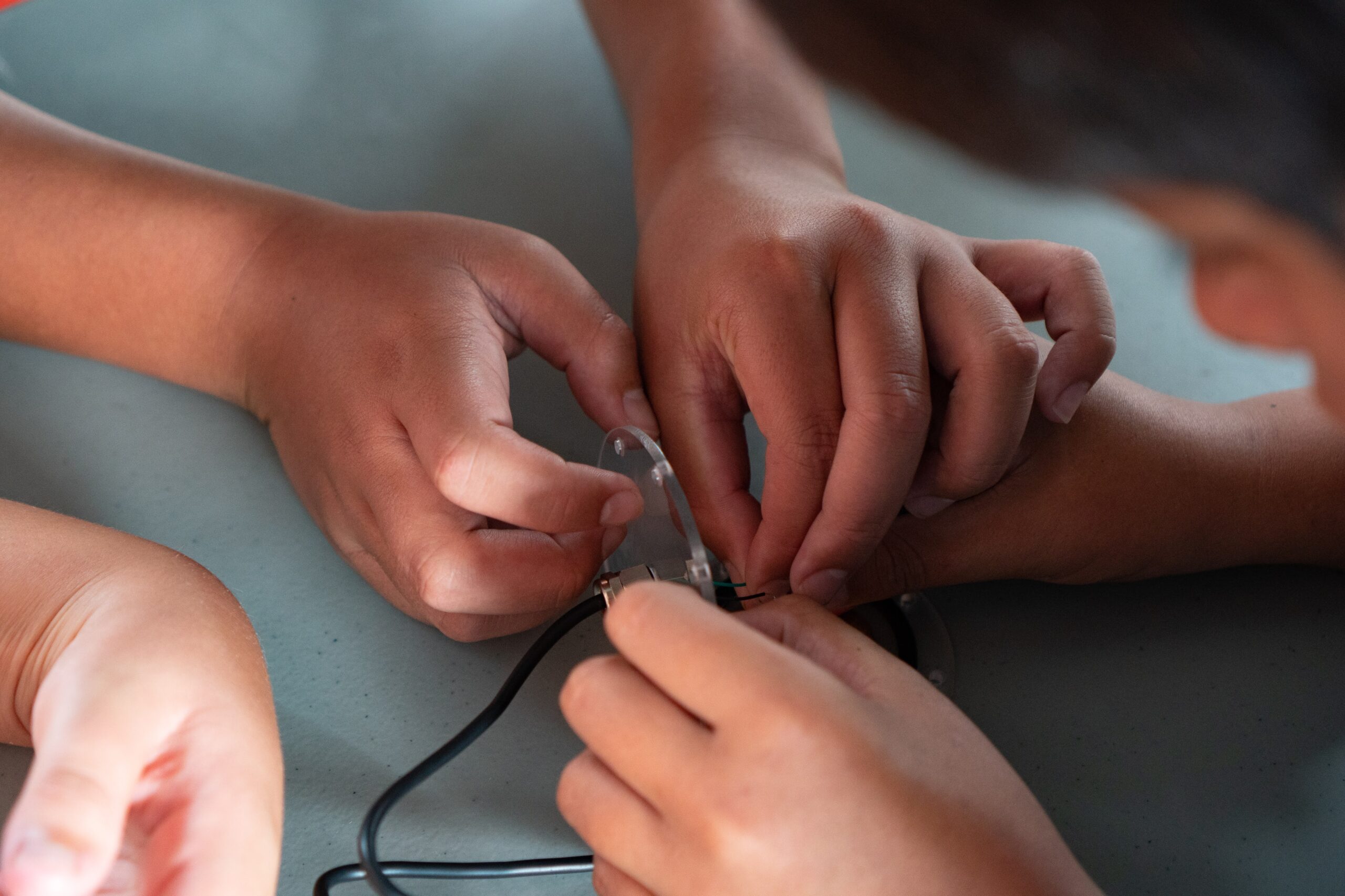
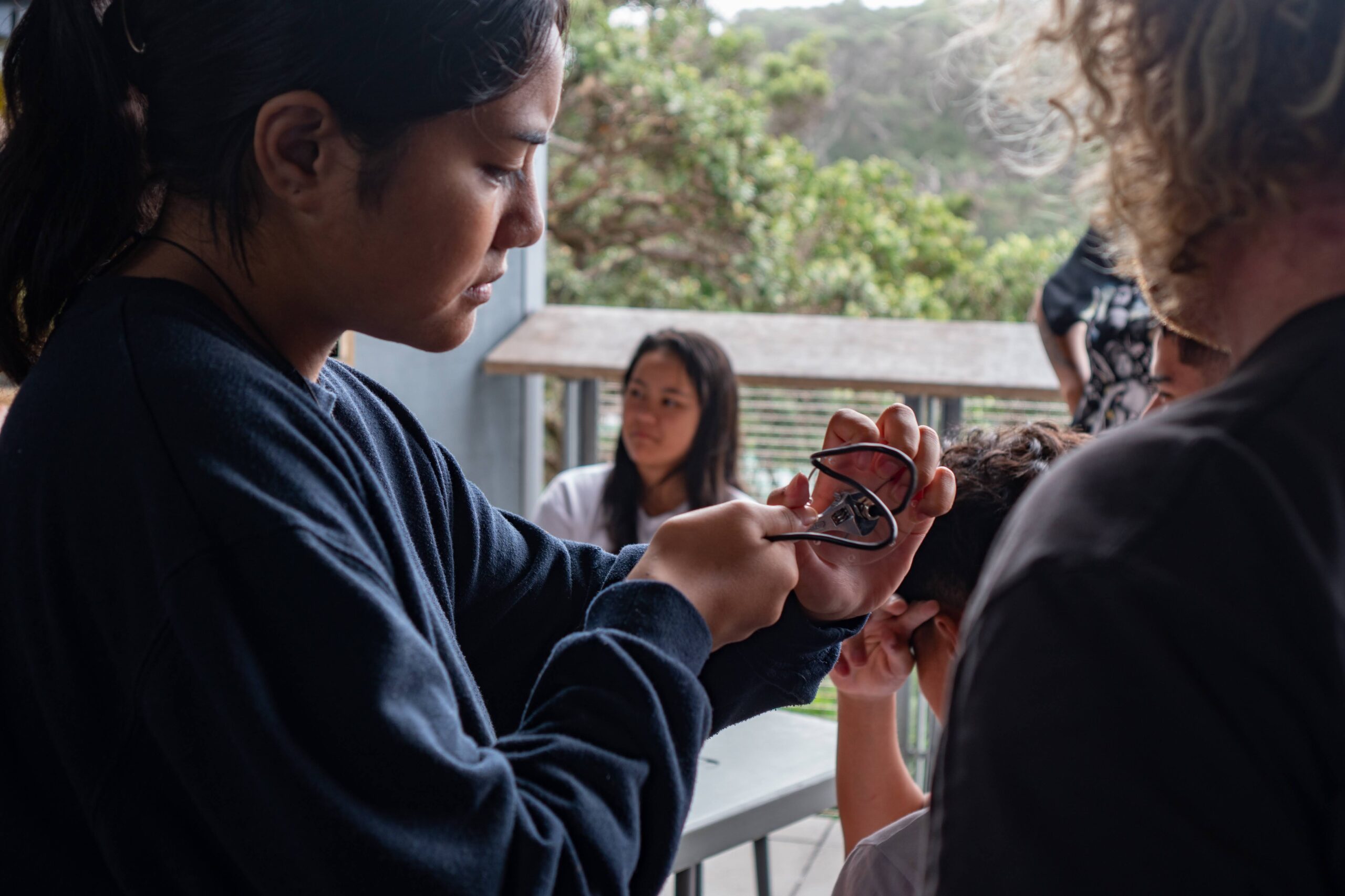
This module enables students to put their technical skills to the fore through building and testing (in a controlled ‘lab’ setting) their very own hydrophone (underwater recording device). We pay close attention to how hydrophones work (piezoelectric effect) and introduce spectrogram analysis as a way to better interpret sound recordings through a picture of sound.
- I can build and test a hydrophone.
- I can carry out sound experiments in a controlled environment and explain how changing key variables alters the nature of the recordings.
- I can interpret sound recordings using spectrogram analysis.
- I can see how the hydrophone can be used to investigate real-world issues.
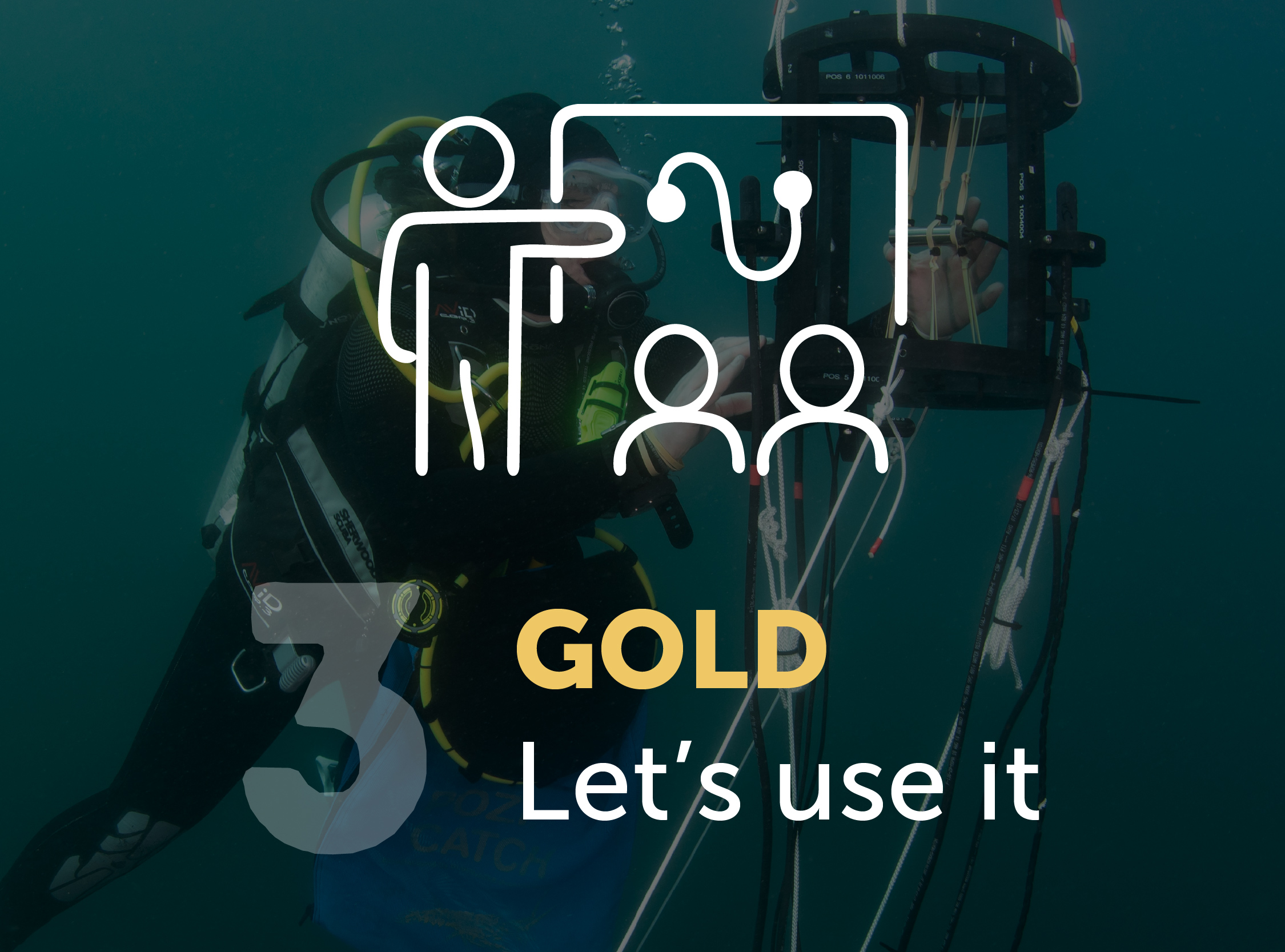
MODULE OVERVIEW
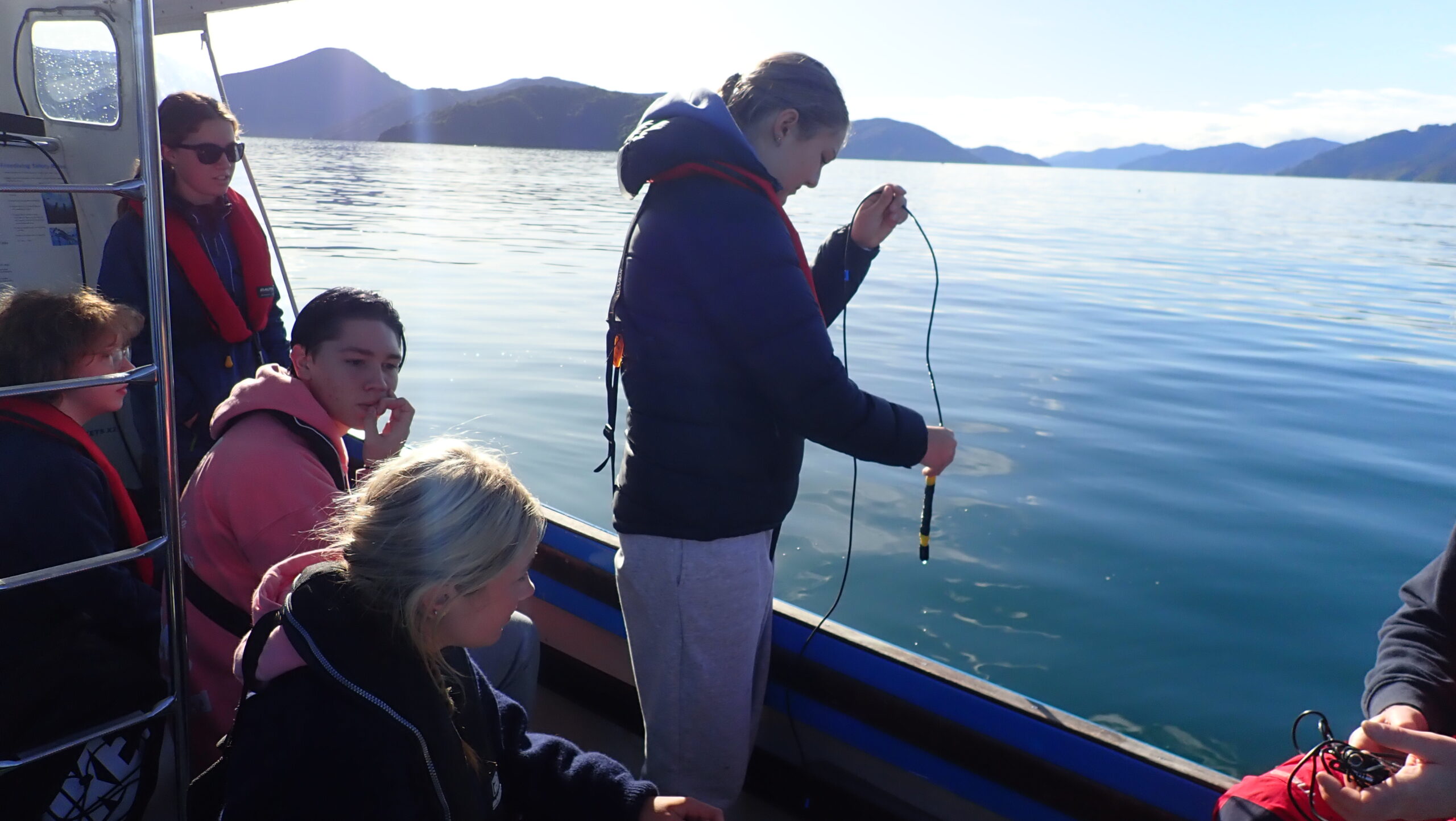
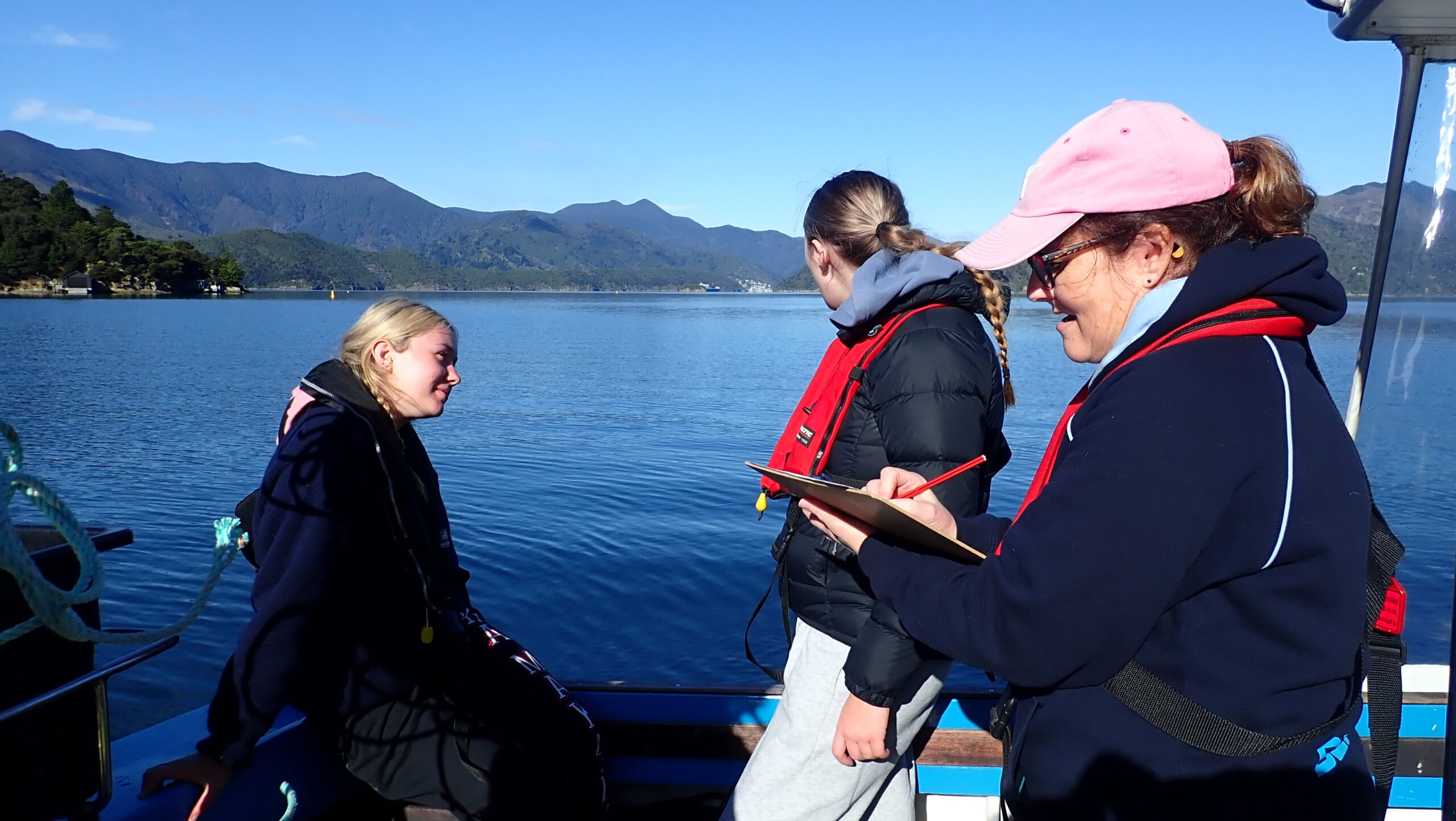
The final module brings aspects of the Bronze and Silver together, with a focus on the scientific method and hypothesis testing. Students design their own inquiry in a field-based setting, and explore their local natural environments using the hydrophones they built. Two case studies are also provided to aid learning and solidify some of the more complex and abstract ideas. Teachers may use these case studies as and when required, either as worked examples of inquiry, or as a mini challenge for those students eager to dive deeper.
We strongly encourage that the students are given an opportunity to present their findings through a report, presentation, or other form of creative communication at the conclusion of their investigation.
- I can determine the scope of an investigation and construct a research question and corresponding hypothesis.
- I can carry out field recordings and evaluate results.
- I can combine findings and formulate a conclusion for my investigations.
- I can present my findings in a clear and concise manner.


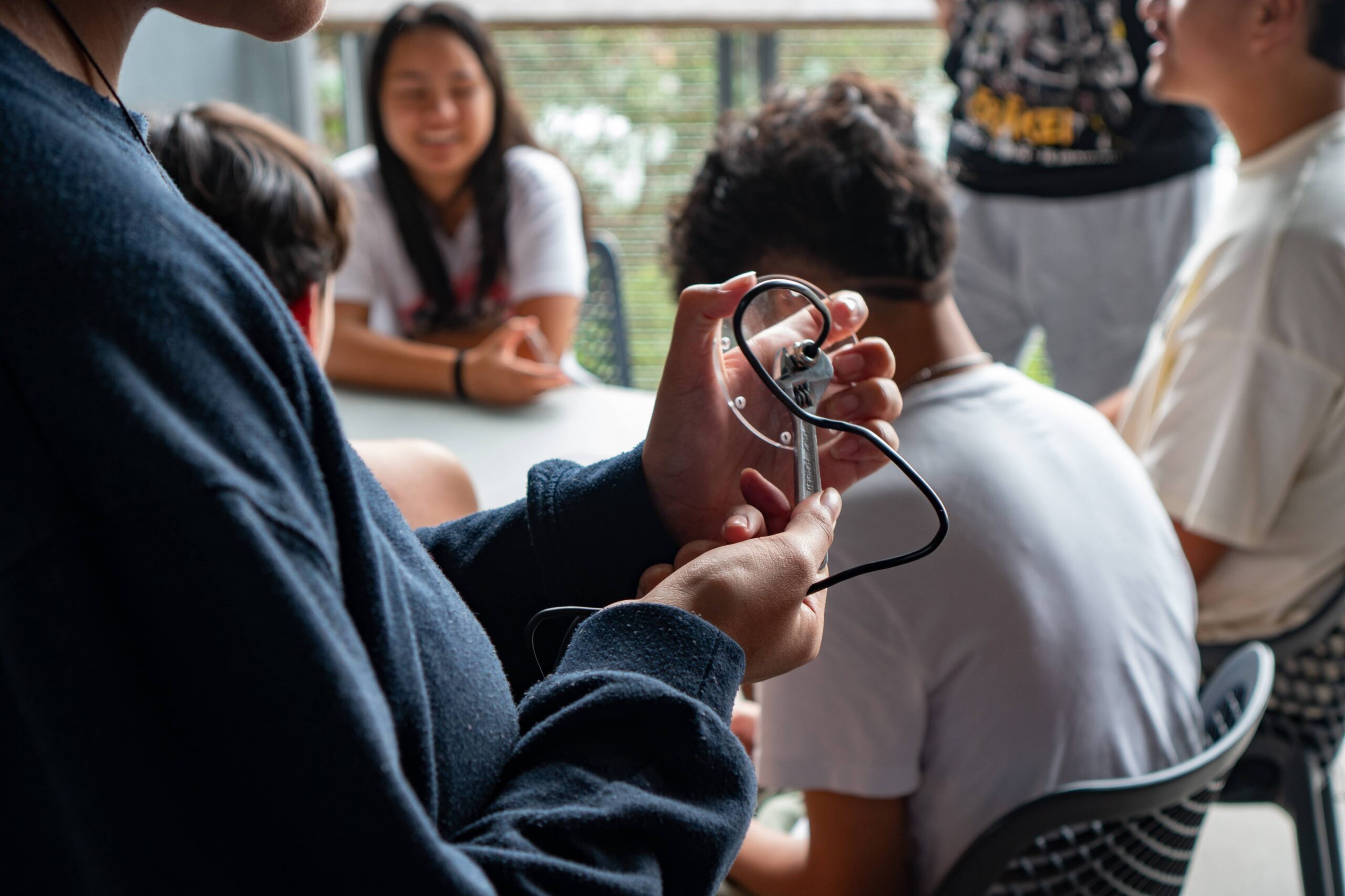
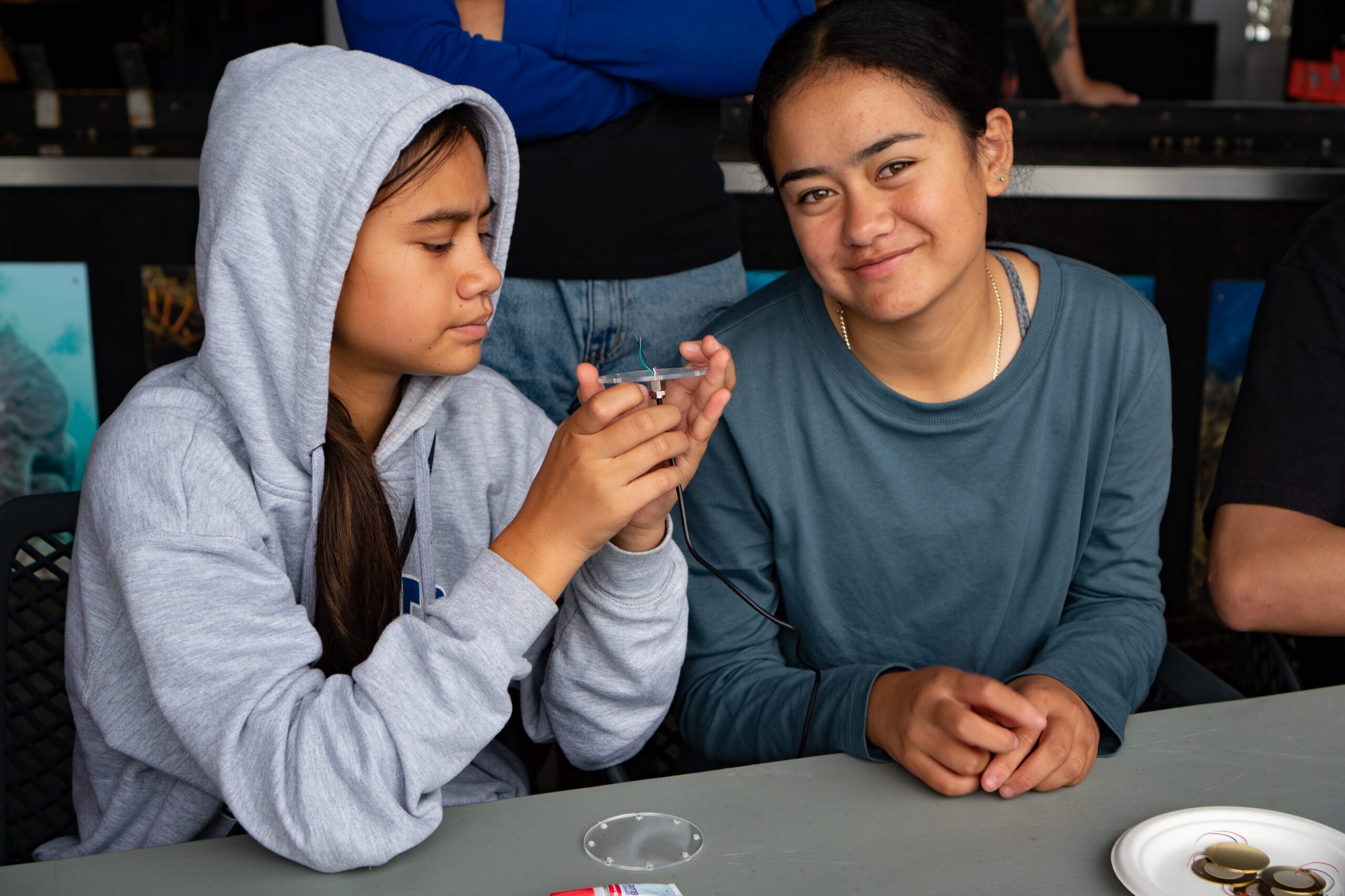
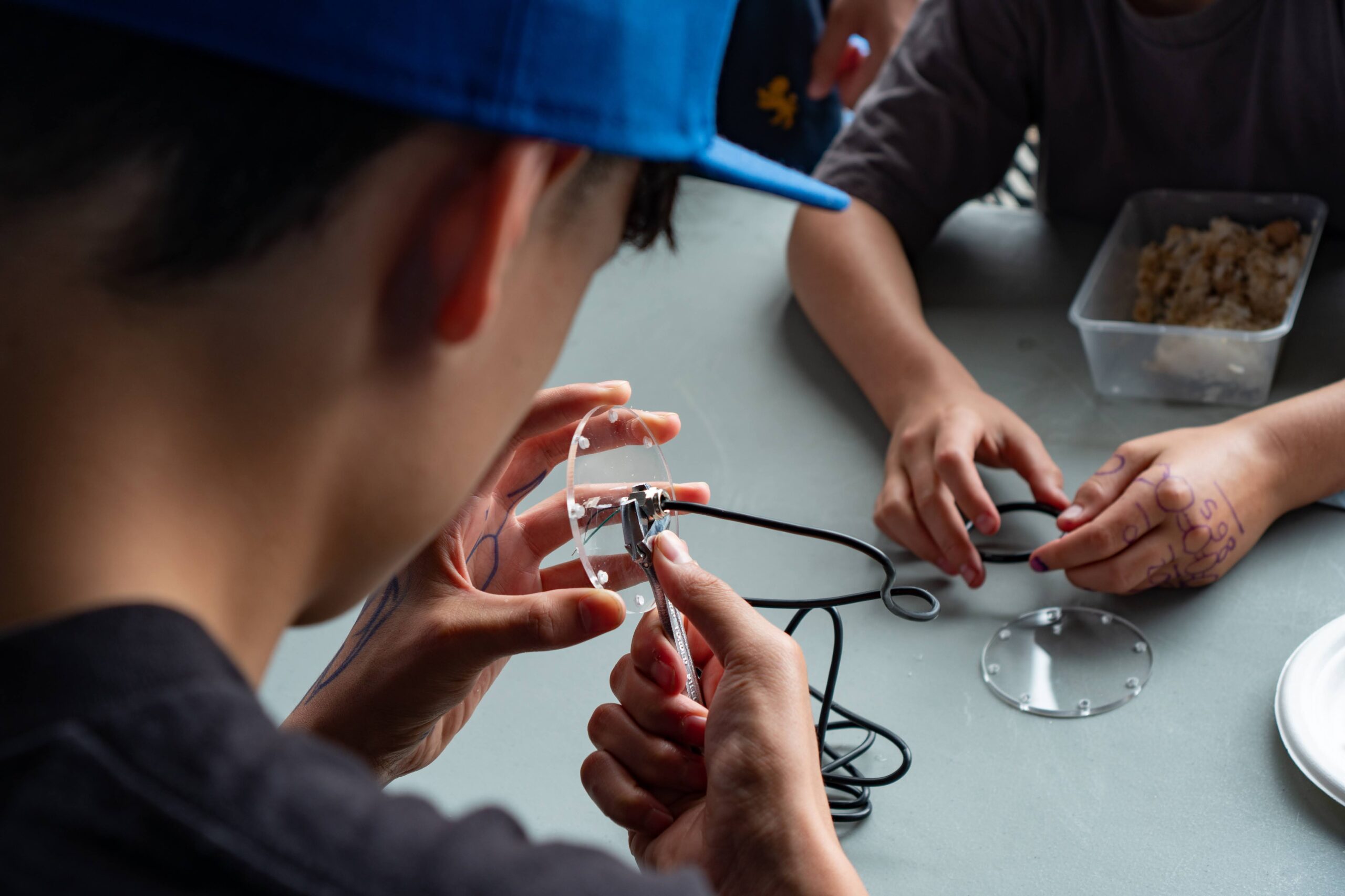
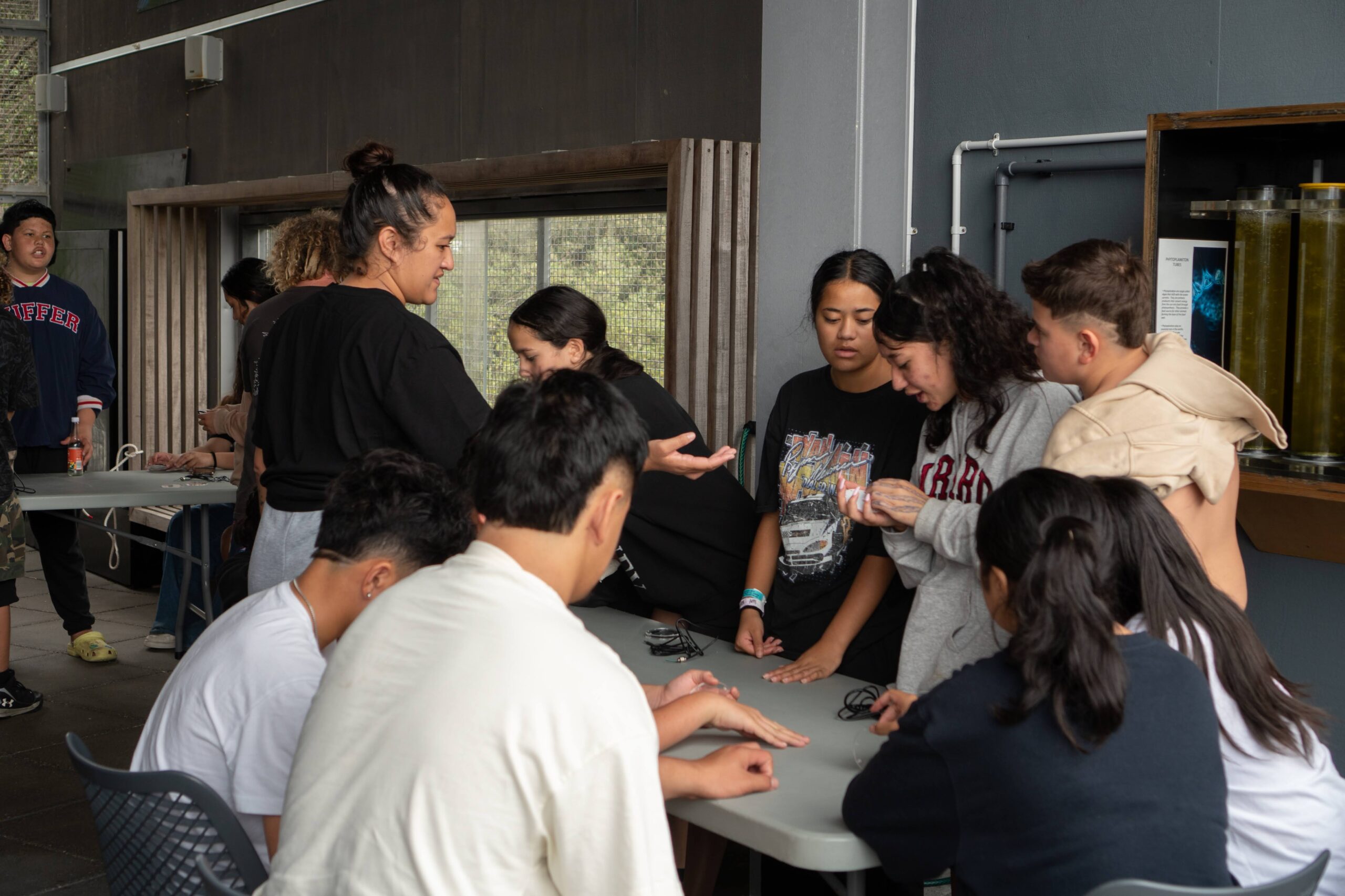
SOTS EDUCATION TOOLBOX
In a bid to make this programme sustainable and useful longterm, we have decided to offer a physical toolbox to help teachers effectively deliver the content in each of the three modules. Its versatility allows teachers to adapt and mould the programme to their classroom and learning environment, with the SOTS project team acting as facilitators as opposed to main presenters.
Alongside the digital resources and content, teachers will be able to lease a physical toolbox containing printed materials and consumables to make five hydrophones with their students. Due to the limited number of toolboxes, the initial lease period will be limited to four weeks – upon delivery- during which time facilitators can use the resources to deliver the three modules as scheduled. In addition to the printed materials and hydrophone building consumables, teachers may also opt to include a ‘higher-end’ hydrophone (provided) for the duration of their lease which can be taken into the field for comparative recordings.